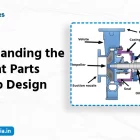
When it comes to efficient heat transfer and fluid handling in various industrial processes, tube exchangers play a crucial role. In this blog post, we will explore the significance of tube exchangers, focusing on the key component known as the tube sheet. We’ll delve into the functionality, applications, and benefits of tube exchangers, shedding light on their importance in diverse industries.
Understanding the Tube Exchanger
The Tube Sheet: A Vital Component
The tube sheet is an integral part of a tube exchanger, serving as a barrier that separates the shell side and tube side fluids. It provides a secure anchor for the tubes, ensuring proper alignment and support within the exchanger. This critical component facilitates efficient heat transfer and fluid flow, making it a fundamental element in the functionality of tube exchangers.
Heat Transfer Mechanism
Tube exchangers are designed to facilitate the exchange of heat between two fluid streams without allowing them to mix. The tube sheet plays a pivotal role in maintaining this separation, enabling the transfer of heat from one fluid to another through the tube walls. This mechanism is essential in numerous industrial processes, including chemical processing, power generation, and HVAC systems.
Applications and Industries
Chemical Processing
In the realm of chemical processing, tube exchangers equipped with robust tube sheets are utilized for various heat exchange applications. These exchangers play a crucial role in processes such as distillation, evaporation, and condensation, contributing to the efficient production of chemicals and petrochemicals.
Power Generation
In power plants, tube exchangers with well-engineered tube sheets are employed in steam condensers and heat recovery systems. These exchangers enable the transfer of heat from the steam to the cooling water, enhancing the overall efficiency of power generation processes.
HVAC Systems
Tube exchangers are also integral to heating, ventilation, and air conditioning (HVAC) systems, where they facilitate the exchange of heat between air streams. The tube sheet ensures the separation of hot and cold fluids, enabling effective temperature regulation in residential, commercial, and industrial environments.
Oil and Gas Industry
In the oil and gas industry, tube exchangers are used in various processes such as crude oil refining, natural gas processing, and offshore drilling operations. These exchangers with durable tube sheets are essential for heat transfer in processes like heating, cooling, and condensation, contributing to the efficient production and processing of oil and gas.
Food and Beverage Production
Tube exchangers play a critical role in the food and beverage industry, where they are used for processes such as pasteurization, sterilization, and fermentation. The tube sheets in these exchangers ensure the separation of different food products and heating/cooling fluids, enabling the safe and efficient production of food and beverages.
Chemical Manufacturing
In chemical manufacturing, tube exchangers equipped with reliable tube sheets are essential for processes such as chemical synthesis, reaction cooling, and solvent recovery. These exchangers facilitate the efficient transfer of heat between different chemical compounds, contributing to the overall productivity and safety of chemical manufacturing processes.
Automotive Industry
Tube exchangers are utilized in the automotive industry for applications such as engine cooling, air conditioning, and transmission fluid cooling. The tube sheets in these exchangers ensure the separation of different fluids and enable efficient heat exchange, contributing to the performance and reliability of automotive systems.
Renewable Energy
In the renewable energy sector, tube exchangers are used in solar thermal systems, geothermal power plants, and biomass energy production. These exchangers with sturdy tube sheets play a crucial role in transferring heat from renewable energy sources to power generation systems, contributing to the efficient and sustainable production of renewable energy.
Benefits of Tube Exchangers
Enhanced Thermal Performance
The use of tube exchangers with high-quality tube sheets results in improved thermal performance, leading to efficient heat transfer and optimized energy utilization. This translates to cost savings and reduced environmental impact across various industries.
Corrosion Resistance
Tube sheets are often constructed from corrosion-resistant materials, ensuring longevity and reliability in diverse operating conditions. This corrosion resistance is essential for maintaining the structural integrity of tube exchangers over extended periods of use.
Versatility and Adaptability
Tube exchangers can be tailored to meet specific performance requirements, making them versatile and adaptable to a wide range of industrial applications. The flexibility offered by tube exchangers with well-designed tube sheets enhances their utility in different operating environments.
Conclusion
In conclusion, the tube exchanger, with its key component, the tube sheet, plays a critical role in facilitating efficient heat transfer and fluid handling across various industries. From chemical processing to power generation and HVAC systems, tube exchangers contribute to enhanced thermal performance, corrosion resistance, and operational versatility. Understanding the significance of tube exchangers and the role of tube sheet manufacturers like Npro Engineers India is essential for appreciating their impact on industrial processes and overall energy efficiency.